Vault Denim closed.
The company is no longer in business. This page is kept as a record of the company and its consultants.
Related


Looking for an alternative to Vault Denim?
These consultants can help you find something similar.




Vault Denim Overview
- Founded
- 2010
- Est. Consultants
- 0
- Commission
- 18% - 24%
- Downline Commission
- 5% - 7%
- Startup Cost
- $79
- Products Sold
- Jeans, Denim, Women's Clothing, Men's Clothing, Fashion
- Category
- Clothing & Fashion
- Home Office
- Murray, Utah
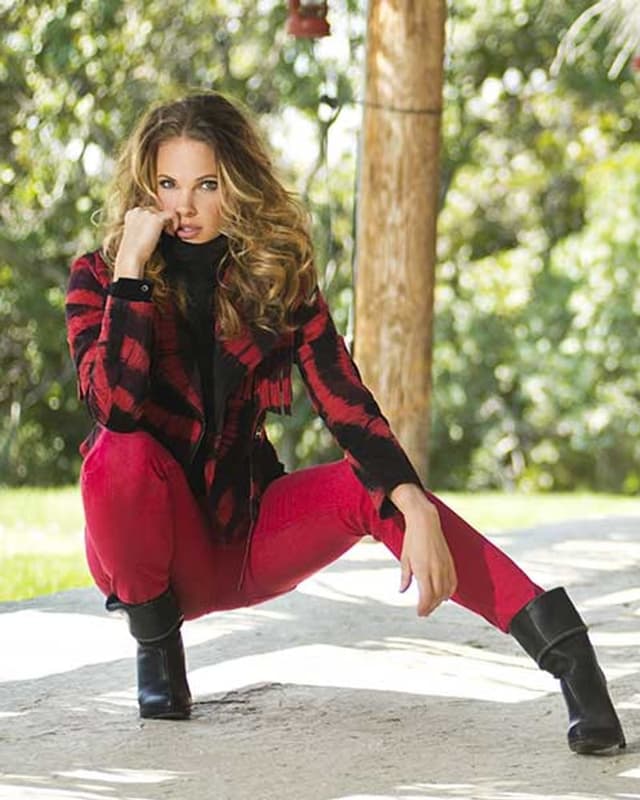
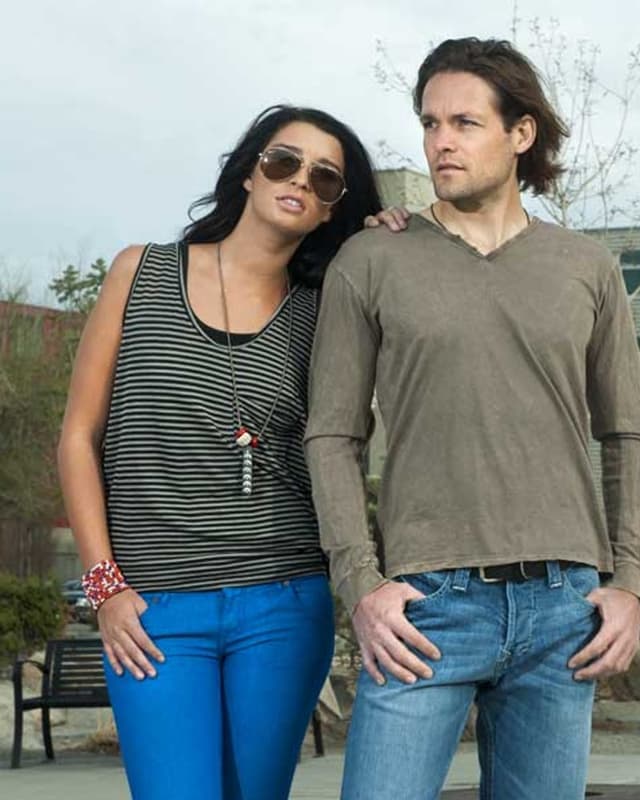
Vault Denim was a party-plan clothing company founded in early 2010 in the Salt Lake City area of Utah. It bought overstock premium jeans and sold them at home parties for up to 50% off department store prices. Consultants did not buy stock; they borrowed shared inventories of more than a hundred pairs, and guests took their jeans home on the spot. By 2013 the company had its own denim labels, sample boutiques for fitting customers, a car program and an annual convention. Its website was still up in March 2015, but by 2018 the domain belonged to an unrelated blog. Its Utah company is now listed as inactive.
Vault Denim - Our Thoughts
Company History
Vault Denim began in early 2010 in the Salt Lake City area of Utah. In its own words, the founders had a question: "what would happen if women were able to earn some extra money selling designer jeans at a discount?" The company bought overstock from premium denim makers, the jeans left after upscale stores placed their orders, and sold them at home parties for up to half off.

Co-founder Steve Price brought the denim connections. The company said he had run a designer denim website while in the MBA program at BYU and had founded a non-profit called Charity Denim. By the mid-2010s the executive team also included CEO Jim Paré and Tyler Perry, who joined as President in November 2012.
The idea spread fast. Vault held a convention in Las Vegas in 2011, and in February 2012 KSAT 12 in San Antonio covered a Vault party as "the latest trend in at-home shopping parties." By 2013 the corporate office was at 5525 South 900 East in Salt Lake County, and the company was running a car program and an annual convention for its sellers.
“They've kind of cut out the middle man by allowing us as reps to go into homes to use homes as a store to distribute the jeans we carry.”
Kim Siebert, Vault Denim sales representative — KSAT 12 San Antonio, February 2012
What They Sold
In the early years Vault sold one thing: jeans. The company described name-brand premium denim at up to 50% off, plus a large range of boutique-style "bling" jeans with stitching and embellishment. Its FAQ said prices ran from $48 to $92 and sizes from 0 to 15. It also said every pair was authentic, not a fake and not damaged.

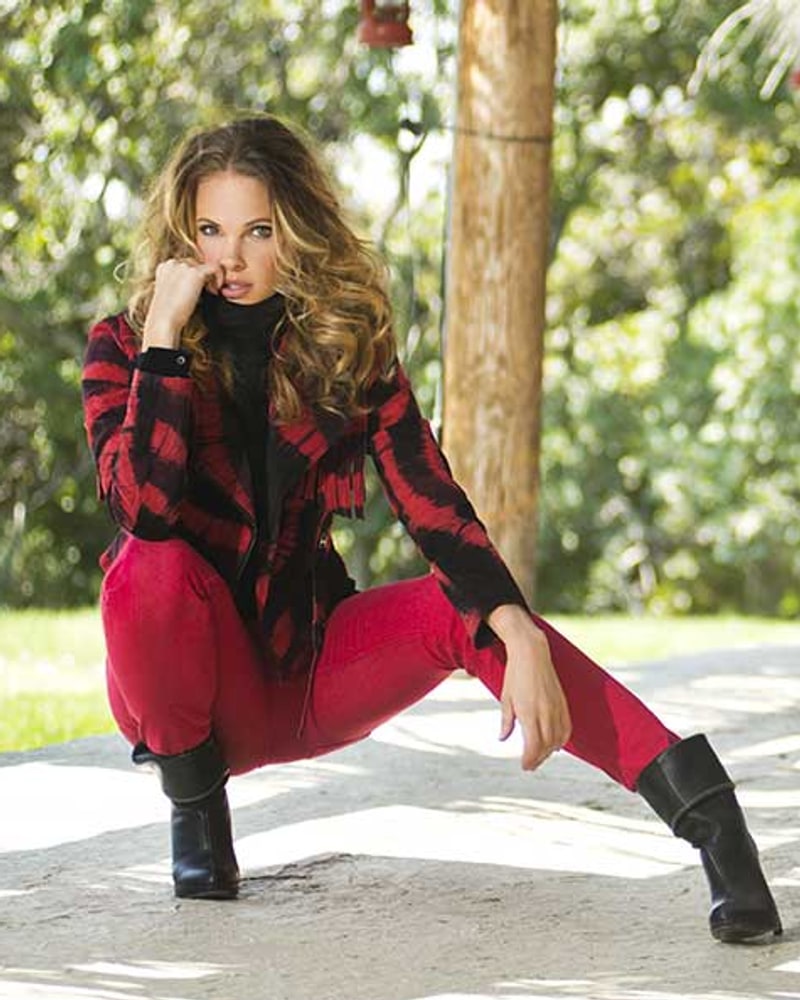
The range widened over time. KSAT reported in 2012 that Vault also had its own line of jeans for children, plus sizes and men. Between 2012 and 2013 the company registered US trademarks for in-house labels such as Ten Denim, Jeans de Fleur, Baker Street and Project. By 2013 its online store also sold men's and boys' denim, maxi and midi skirts, palazzo pants, leggings, tops, dresses, accessories such as scarves and boot cuffs, and a skin care line called Vault Skin Care by Fenix.
How the Business Worked
Sellers were first called Vault Fashion Consultants, or VFCs, and later Vault Fit Consultants. They held home parties, trunk shows and events, and each found her own hosts.
Shared inventories
The early model was unusual. Vault owned the stock. A local Regional Coordinator housed an inventory of 115 to 125 pairs in assorted sizes, and several Consultants in an area shared it, checking it out for parties "like a library." Once about eight Consultants signed up in a new area, the company said it would place jeans there. Guests paid at the party and took their jeans home. Consultants could not choose the styles in an inventory; refills changed it week to week. By 2013 the company had moved to Sample Fit Boutiques that Consultants bought, priced from $79 to $289, used to fit customers who then ordered online or at a party.
Enrollment and pay
Joining cost $159 in 2010 and 2011. The kit held a half-off coupon for a first pair of Vault jeans, business cards, a personal email address, a training binder and other supplies. Consultants earned 18% to 24% of their own sales, depending on monthly volume, plus up to 7% on the sales of people they recruited and up to 5% on the next level, with extra bonuses for builders. Checks went out twice a month. Hosts earned 10% of their party's sales toward their own jeans. The company said its average party in late 2010 was about $500.
“Our consultants don't have to spend money to purchase their own inventory- we provide it.”
Vault Denim, About page (vaultdenim.com), 2011
For more on how this kind of business works, see our guide to direct sales.
What Happened
Vault Denim never published a closing announcement that we could find, so its end has to be read from the record. Archived copies of vaultdenim.com show the company store running through 2013 and 2014, and the home page still sent visitors to that store in March 2015. The Wayback Machine then has no captures until August 2018, when the domain was showing an unrelated weight-loss blog. Today vaultdenim.com is a parked placeholder page.
Public records point the same way. Vault Denim LC, the Utah company at 5525 South 900 East, is listed as inactive in the state's records as shown by OpenCorporates, and its trademarks for labels such as Ten Denim and Jeans de Fleur are marked historic, with registrations ending between 2019 and 2020. No successor company took over the brand.
Former Consultants kept whatever sample stock they owned, and Vault-labeled jeans occasionally turn up on resale sites. The jeans party lives on in other companies. If you liked the format, live clothing companies such as LuLaRoe still sell through independent sellers and parties.
Vault Denim User Reviews+ Add a Review
No reviews yet.
Vault Denim Media